Understanding the Debate Over Loot Boxes: A Gambling Dilemma in Video Games
Loot boxes, a prevalent feature in modern video games, have sparked widespread debate due to their resemblance to gambling mechanisms. These virtual items, which can be purchased with real money or earned through gameplay, contain a random assortment of gaming assets like character skins, weapons, or other enhancements. The controversy centers around the psychological and financial implications of their use, especially among young gamers, and raises questions about the need for regulation.
The Gambling Connection
.png)
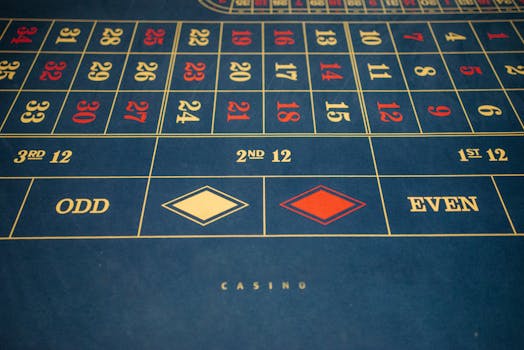
The mechanics of loot boxes closely mimic those of gambling. Players pay for an unknown reward, similar to a lottery ticket or a slot machine spin. The uncertainty and thrill of possibly unlocking a valuable item can lead to repetitive purchasing behaviors, akin to gambling addiction. This cycle of excitement and disappointment can encourage continuous spending and potentially lead to significant financial loss, mirroring gambling behaviors.
Criticisms and Concerns
Critics argue that the gambling-like nature of loot boxes could lead to problematic gaming behaviors, particularly in adolescents and young adults who are more vulnerable to addiction. The primary concern is that these features exploit psychological triggers to encourage continuous spending. Additionally, there is an argument that loot boxes can undermine the fairness and integrity of gaming by giving paying players potentially game-altering advantages over non-paying ones.
Industry and Legal Responses
The gaming industry often defends loot boxes by highlighting that players are guaranteed to receive something of value with each purchase, unlike traditional gambling where one can walk away with nothing. However, this defense has not alleviated regulatory concerns. Countries like Belgium and the Netherlands have taken a firm stance by banning loot boxes, treating them as a form of gambling, which forces developers to modify their games for these markets or face legal consequences.
In contrast, other regions, including the U.S. and the U.K., have opted for less stringent measures, focusing on transparency rather than outright prohibition. Measures such as revealing the odds of loot box contents aim to inform players about their chances, purportedly assisting in making more informed decisions.
Community and Developer Adjustments
Within the gaming community, opinions on loot boxes are mixed. Some players enjoy the element of surprise and the potential for game enhancement that loot boxes offer. Others view them as a detrimental, even predatory, practice that prioritizes profit over player experience.
In response to growing scrutiny, some developers have begun to modify loot box policies by allowing items to be earned through gameplay or by providing more transparency about the likelihood of receiving specific items. These changes are part of an ongoing effort to balance profitability with consumer protection and ethical game design.
Moving Forward
The dialogue surrounding loot boxes is complex and multifaceted, involving ethical considerations, consumer protection, and the psychological effects of gaming. As the industry evolves, continued collaboration among developers, regulators, and the gaming community will be crucial. The goal will be to safeguard particularly vulnerable players, such as young people, from potential harm, while also maintaining the innovative and economic vitality of the gaming industry.
In conclusion, while loot boxes remain a popular and lucrative feature within video games, their similarity to gambling practices necessitates careful consideration and regulation. The future of loot boxes will likely depend on an evolving understanding of their impact and the effectiveness of measures designed to mitigate their risks while supporting creative game development.