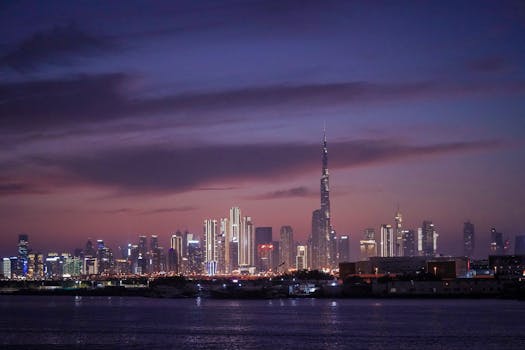
Casino tourism, once a niche market, has evolved into a global juggernaut driving economic growth, urban development, and international travel. From the neon-lit streets of Las Vegas to the dazzling resorts of Macau, casino tourism is now a cornerstone of many economies, blending high-stakes gaming with luxury experiences, concerts, fine dining, and more. But what factors have fueled this phenomenal growth, and what lies ahead for a sector constantly reinventing itself? This article explores the remarkable ascent of casino tourism, its impact on destinations, and the enormous potential it holds for the future.
The Rise of Casino Tourism: A Global Overview
Casino tourism refers to travel motivated specifically by the desire to visit casinos, often paired with other entertainment and leisure offerings. While gambling has ancient roots, large-scale casino tourism is a 20th- and 21st-century phenomenon. The opening of the Flamingo Hotel in Las Vegas in 1946 marked the start of the modern casino resort trend, turning the city into a magnet for tourists worldwide. By the 1970s, Atlantic City joined the scene, and in the 2000s, Asia—especially Macau and Singapore—emerged as powerhouses.
According to a 2022 report by the Global Betting and Gaming Consultants, the worldwide casino gambling market reached a value of $231 billion in 2021, with tourism accounting for a significant portion of revenue. Macau alone attracted over 39 million visitors in 2019, with 70% of its government revenue sourced from gambling taxes. Las Vegas, meanwhile, welcomed nearly 42.5 million tourists the same year, with non-gaming activities representing over 50% of visitor spending.
.png)
Casino resorts are now found on every continent except Antarctica, with countries like Spain, Australia, South Africa, and the Bahamas leveraging their unique appeal to attract millions of gaming enthusiasts annually.
Economic Impact: Job Creation and Regional Growth
The economic footprint of casino tourism extends far beyond the gaming floor. Integrated resorts generate thousands of jobs, boost local businesses, and create substantial tax revenue for governments. For example, Singapore’s two iconic casino resorts, Marina Bay Sands and Resorts World Sentosa, contributed an estimated $7 billion to the country’s GDP and created over 20,000 jobs since their openings in 2010.
Casino tourism can act as a catalyst for regional development. In Macau, the transformation from a sleepy port city to the "Gambling Capital of the World" has lifted local incomes and improved infrastructure. Similarly, smaller destinations such as Monte Carlo and Sun City in South Africa have become synonymous with luxury tourism, drawing high-net-worth visitors and international events.
A study by the American Gaming Association found that U.S. commercial casinos supported 1.8 million jobs in 2022, generated $101 billion in direct economic impact, and contributed $13.5 billion in state and local taxes. This revenue helps fund public services, infrastructure, and social programs, demonstrating how casino tourism can benefit entire communities.
Comparing Top Casino Tourism Destinations
Not all casino tourism destinations are created equal. Each offers a unique blend of gaming, entertainment, and cultural experiences. The table below compares some of the world’s leading casino tourism hotspots based on key metrics.
| Destination | Annual Visitors (2019) | Gaming Revenue (USD, 2019) | Unique Features |
|---|---|---|---|
| Las Vegas, USA | 42.5 million | $6.6 billion | Entertainment shows, themed resorts, conventions |
| Macau, China | 39.4 million | $36.5 billion | VIP gaming, luxury shopping, fusion cuisine |
| Monte Carlo, Monaco | 700,000 | $250 million | Historic casinos, Formula 1 Grand Prix, Mediterranean setting |
| Singapore | 19.1 million | $4.5 billion | Futuristic architecture, family attractions, world-class events |
| Atlantic City, USA | 27.6 million | $2.7 billion | Boardwalk, beach, live entertainment |
These numbers highlight the immense draw of casino tourism, but also the diversity of offerings that set each destination apart.
Beyond Gambling: The Allure of Integrated Resorts
Modern casino tourism is about much more than spinning roulette wheels or playing blackjack. Integrated resorts—a concept pioneered in Las Vegas and perfected in Macau and Singapore—combine gaming with luxury hotels, Michelin-starred restaurants, shopping malls, spas, theme parks, and convention centers. This diversification attracts a broader audience, including families, business travelers, and tourists uninterested in gambling.
In Las Vegas, for example, only 34% of visitor spending in 2019 was on gaming, with the rest going to entertainment, dining, and shopping. Singapore’s Marina Bay Sands draws crowds with its infinity pool and rooftop gardens as much as its casino. These resorts host concerts, international conventions, and major sporting events, helping to smooth out seasonal fluctuations in tourism and broaden the economic base.
Cultural and architectural spectacles also play a role. The Venetian Macao features canals and gondolas, while Sun City in South Africa is noted for its safari tours and golf courses. These attractions create memorable experiences, making casino resorts true destinations in their own right.
Casino Tourism and Responsible Gaming Initiatives
With the rapid expansion of casino tourism comes increased responsibility to address issues such as problem gambling and social impact. Leading casino destinations have invested heavily in responsible gaming programs, public awareness campaigns, and support services for those at risk.
For instance, Singapore enforces strict entry levies for residents to discourage excessive gambling, while Macau requires visible responsible gaming signage and offers counseling services. Las Vegas casinos fund programs like the Nevada Council on Problem Gambling and promote voluntary self-exclusion lists.
The World Tourism Organization (UNWTO) emphasizes the need for sustainable and ethical tourism practices, encouraging casino operators to balance business interests with community well-being. Many resorts now incorporate green building practices, community engagement, and employee wellness programs as part of their broader corporate social responsibility strategies.
The Future Potential: Trends and Opportunities in Casino Tourism
Looking ahead, the potential for further growth in casino tourism is substantial. Three major trends stand out:
1. $1 Countries like Japan, Brazil, and Greece are exploring the legalization of integrated casino resorts to boost tourism and economic growth. Japan's first integrated resort, scheduled to open in Osaka in the late 2020s, is expected to attract up to 25 million visitors annually and generate $4 billion in revenue. 2. $1 Advances in technology are enhancing the casino tourism experience. Mobile apps, cashless payments, virtual reality attractions, and personalized guest services are becoming standard, attracting digitally savvy travelers. 3. $1 Resorts are innovating with unique themes, immersive experiences, and partnerships with global entertainment brands. For example, Macau’s Studio City features a Hollywood theme, while Las Vegas’ Sphere venue uses cutting-edge LED displays for concerts and events.The global casino tourism market is projected to grow at a compound annual growth rate (CAGR) of 7.3% between 2023 and 2028, according to Mordor Intelligence, signaling robust demand and expanding horizons for both established and emerging destinations.
Casino Tourism’s Lasting Impact and What Lies Ahead
Casino tourism has matured into a dynamic, multifaceted industry that shapes entire cities and economies. Its growth has been driven by a blend of entertainment innovation, economic opportunity, and global travel trends. As integrated resorts become ever more sophisticated and new markets open their doors to gaming, the sector’s potential appears boundless. However, balancing growth with responsible gaming and sustainable tourism will be key to ensuring casino tourism remains a positive force for destinations and visitors alike.
With billions in economic impact, millions of jobs, and a host of memorable experiences, casino tourism continues to redefine the boundaries of travel and entertainment, promising even greater possibilities in the years to come.