The history and evolution of slot machines are not just an interesting slice of gaming technology's past, but also a dynamic narrative of innovation and transformation. From the mechanical simplicity of Charles Fey's Liberty Bell to the sophisticated digital interfaces of today's video slots, these machines continue to captivate people around the world and generate significant cultural and economic impact.
The Beginnings and Mechanical Age
The journey of slot machines began in 1895 when Charles Fey created the Liberty Bell, the first-ever mechanical slot machine. This invention featured reels with symbols that became iconic in slot gaming, such as diamonds, spades, hearts, and the cracked Liberty Bell itself. The popularity of these machines quickly spread, and they became a staple in bars and early casinos, offering players a simple and exciting gambling experience.
.png)
Electromechanical and Video Slots Revolution
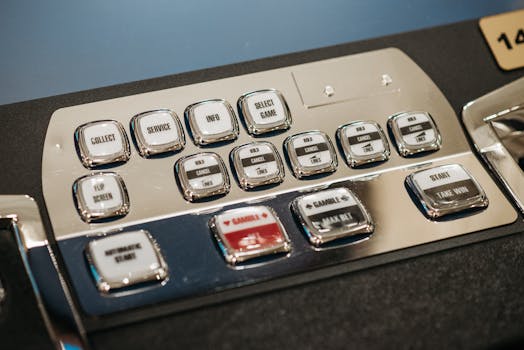
The 1960s marked a revolutionary change with the introduction of electromechanical slot machines. This new technology eliminated the need for manual levers, introducing electrically powered components that allowed for new features like automated payouts. The Money Honey, developed by Bally Technologies in 1963, was a landmark in this evolution, offering more sophisticated mechanics and enhanced audio-visual appeal.
The late 1970s brought another significant innovation with the rise of video slot machines. These new machines used graphical reels on a monitor rather than physical reels, opening up new possibilities in game design. Video slots could offer more detailed themes, multiple paylines, and intricate bonus rounds. This era not only transformed how slot machines looked and functioned but also significantly expanded their popularity in casinos.
Modern Digital Slots
Today's slot machines are powered by cutting-edge technology that utilizes advanced software and random number generation (RNG) systems to ensure fair play and random outcomes. Modern slots are characterized by high-definition graphics, touchscreen interfaces, and immersive sound effects that engage players in ways that early machines never could. Online slots, which replicate the experience of traditional slot machines on digital platforms, have also seen a surge in popularity, allowing players to enjoy gaming from the comfort of their homes.
Challenges and Considerations
Despite their popularity, modern slot machines face their own set of challenges. The complexity and variety of today's games can be overwhelming for some players, particularly those who nostalgically recall the simpler days of one-armed bandits. Additionally, the reliance on technology can lead to issues such as software glitches and potential vulnerabilities that could be exploited by hackers.
Looking to the Future
The future of slot machines looks promising with potential developments in virtual reality (VR) and augmented reality (AR), promising even more immersive and interactive gaming experiences. The integration of artificial intelligence (AI) could also lead to smarter and more personalized gaming experiences, tailoring the gameplay to individual preferences and playing styles.
Conclusion
From mechanical reels to digital screens, the evolution of slot machines reflects broader technological advancements and changing cultural tastes. As they continue to evolve, they not only symbolize the innovation within the gaming industry but also offer a window into the future of entertainment technology. For gaming enthusiasts and casual players alike, the history of slot machines is a testament to human ingenuity and the relentless pursuit of more engaging entertainment.