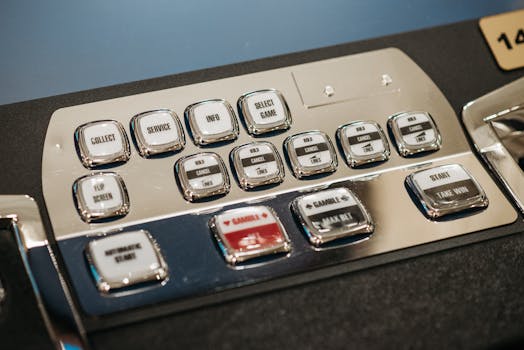
The metamorphosis of slot machines from their mechanical roots to the digital age not only showcases technological progression but also mirrors shifts in societal attitudes and regulatory frameworks surrounding gambling. This journey from the Liberty Bell to the latest online slots reveals much about the interplay between innovation, regulation, and user experience.
Mechanical Beginnings The narrative of slot machines begins in the late 19th century with the Liberty Bell. Crafted by Charles Fey, this invention featured mechanical reels, a lever, and simple payouts. These early machines were marvels of engineering, using intricate arrangements of gears, levers, and springs to enable gameplay. They were fixtures in bars and saloons, adding a touch of excitement with their clinking coins and spinning symbols.
Electromechanical Evolution By the 1960s, slot machines began incorporating electrical components, leading to the first electromechanical slots. These machines, such as Bally’s Money Honey, represented a significant step forward. They could handle automatic payouts of up to 500 coins, a considerable improvement over their fully mechanical predecessors. This period marked the beginning of the blend between mechanical intricacy and electrical innovation.
.png)
Digital Revolution The digital transformation kicked off in the 1970s with video slot machines. These slots used screens to display digital reels and were powered by computers, making them more versatile and reliable than their mechanical and electromechanical ancestors. Video slots like Fortune Coin, introduced in 1975, leveraged technology to offer new features such as more reels, multiple pay lines, and bonus games, enhancing player engagement and paving the way for the complex games we see today.
Online and Mobile Expansion The mid-1990s saw another pivotal shift with the rise of online casinos. Slots transitioned from physical machines in land-based casinos to virtual games that could be played on personal computers and, later, mobile devices. This shift was powered by the internet and software development innovations, allowing for more sophisticated games with advanced graphics, interactive features, and connectivity. Online slots today offer everything from themed adventures to expansive progressive jackpots, catering to a global audience.
Current Innovations and Future Trends Today's slot machines combine interactive touchscreens, advanced graphics, and immersive audio to create engaging player experiences. Modern slots incorporate algorithms and random number generators (RNGs) to ensure fairness and unpredictability in game outcomes. The growth of mobile gaming has further shaped the industry, leading to the development of slots specifically optimized for mobile platforms.
Looking forward, the potential for new technology in slot gaming is vast. Developments such as virtual reality and augmented reality could revolutionize the experience by creating fully immersive environments. Furthermore, the integration of artificial intelligence could lead to more personalized gaming experiences, potentially adjusting the complexity and themes of games in real-time based on user behavior patterns.
Regulatory and Ethical Considerations As technology advances, so too does the need for robust regulatory measures to ensure fair play and prevent issues such as gambling addiction. Modern slot games are subject to stringent regulations across different jurisdictions, ensuring they operate transparently and fairly. Additionally, the rise of digital gaming has brought concerns about security, prompting innovations in cybersecurity and data protection.
Conclusion The evolution from the Liberty Bell to today’s sophisticated online and mobile slots highlights not only technological innovations but also the changing landscape of gaming regulations and player preferences. As the digital age continues to evolve, the future of slot machines appears poised for further revolutionary changes, promising to deliver even more engaging and secure gaming options to users around the world. This ongoing evolution not only underscores the dynamic nature of this form of entertainment but also reflects broader trends in technology and society.