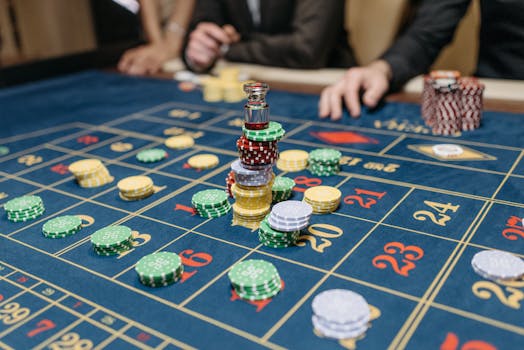
Gambling addiction, or compulsive gambling, is a profound mental health disorder with significant financial, social, and psychological repercussions. It manifests as an irresistible urge to gamble, which persists despite its adverse effects on one’s life. Grasping the psychological underpinnings of gambling addiction is crucial for devising effective interventions and offering support to those afflicted.
The Role of the Brain's Reward System
Central to gambling addiction is its stimulation of the brain's reward system. Engaging in gambling activities triggers dopamine release, a neurotransmitter linked to pleasure and reward. This dopamine surge produces a "high" akin to that experienced by drug users, reinforcing the gambling behavior and creating a cycle where individuals continuously seek to replicate the feeling.
.png)
Psychological and Emotional Factors
Not all who gamble develop an addiction; psychological elements heavily influence susceptibility. Individuals experiencing distress, anxiety, or depression may view gambling as an escape route from their troubles. Over time, this behavior evolves into a maladaptive coping mechanism.
Illusion of Control
A significant psychological feature of gambling addiction is the illusion of control. Gamblers often believe they can influence the outcomes of games of chance through skill or strategy, perpetuating gambling behavior as they attempt to recoup losses under the misguided belief that a win is imminent.
Cognitive Distortions
Cognitive distortions also play a crucial role in sustaining gambling addiction. These are biased perspectives or irrational thought patterns that propagate gambling behavior. An example is the gambler’s fallacy—the false belief that a string of losses increases the probability of an impending win, prompting continued gambling despite consistent losses.
Social Influences
The social environment can significantly affect gambling behavior. In communities where gambling is prevalent and socially accepted, there may be a higher incidence of gambling addiction. Peer pressure can also exacerbate the problem, as individuals might feel compelled to gamble to gain social acceptance or conform to group norms.
Interventions and Treatment
Addressing gambling addiction requires a multifaceted approach. Cognitive-behavioral therapy (CBT) is particularly effective, helping individuals recognize and alter detrimental gambling thoughts and behaviors. CBT also aids in impulse management and the development of healthier stress-coping mechanisms.
Support groups, such as Gamblers Anonymous, provide a platform for mutual support and recovery, allowing individuals to share experiences and solutions. Family therapy can also play a critical role, helping to mend the trust and communication eroded by compulsive gambling.
Prevention and Education
Preventive measures are essential in curbing gambling addiction. Public awareness campaigns and educational initiatives can illuminate the dangers associated with gambling. Moreover, regulatory measures limiting gambling access and marketing can help reduce gambling addiction rates.
Conclusion
Gambling addiction is a complex disorder influenced by an interplay of psychological, social, and biological factors. A deeper understanding of these elements can enhance treatment and support strategies. With appropriate intervention and support, recovery is achievable, empowering individuals to reclaim control over their lives and achieve long-term well-being.