Casinos are entertainment powerhouses, and every element within their walls is meticulously planned to enhance the guest experience and optimize revenue. One of the less visible but equally important aspects of this environment is the casino soundtrack. The music and sound effects that permeate the casino floors are not just background noise; they play a strategic role in influencing player behavior and emotions.
Creating an Inviting Atmosphere
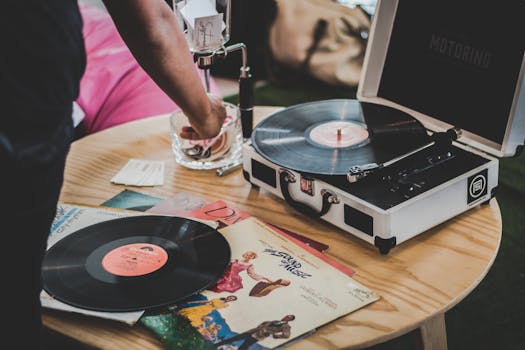
The primary goal of casino soundtracks is to create an atmosphere that is both inviting and stimulating. Music played in casinos typically features high tempos and is in major keys to evoke feelings of excitement and pleasure. This upbeat and vibrant background music makes the environment feel energetic, which can motivate guests to stay longer and participate more actively in games.
.png)
Positive Reinforcement through Sound
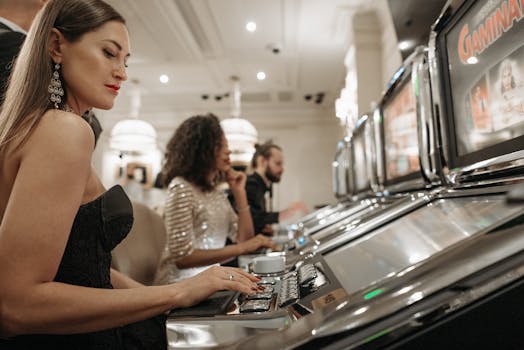
Casinos also cleverly use sound effects to provide positive reinforcement. The sounds of coins clinking, slot machines chiming, and the celebratory noises that signal a win are usually amplified. These sounds serve as an auditory reward for players and create an illusion of winning being more frequent than it might actually be. This can encourage players to continue gambling, even if they are not winning, because the environment suggests that another win is just around the corner.
Timelessness and Engagement
Another subtle yet powerful effect of casino soundtracks is their ability to make players lose track of time. With no windows or clocks in sight, and the consistent rhythm of music, players might find it difficult to gauge the passage of time and thus spend longer periods engaged in games. This time distortion directly benefits the casino as it potentially increases the amount of money a player might spend.
Directing Player Attention
Strategically, casinos also use sound to guide players’ attention towards certain games, especially new or high-stake ones. Enhanced and attractive sound effects in specific areas might draw players to games that provide better profitability to the establishment. This use of sound helps manage the flow and distribution of guests across various games and areas.
Psychological and Cognitive Effects
The impact of music on cognitive function is well-documented in psychological research. In the context of a casino, faster-paced music can quicken betting speeds, prompting quicker decisions and potentially more impulsive betting. On the other hand, softer and slower music might relax players, leading to more deliberate decisions and potentially longer play sessions with higher overall spend.
Balancing Sound Effects
Despite the benefits, the impact of sound in casinos isn’t universally positive. For some individuals, the constant barrage of noise can be overwhelming and may lead to a negative gaming experience. It's crucial for casinos to balance their auditory environment to cater to both those who thrive in a dynamic atmosphere and those who prefer a more subdued setting.
Conclusion
The strategic use of soundtracks in casinos plays a crucial role in enhancing player experience and influencing behavior. From boosting morale and creating a lively atmosphere to encouraging extended play and directing attention, sound is a powerful tool in the casino industry’s arsenal. As casinos evolve, the sophistication of auditory strategies will likely advance, further refining how sound impacts player behavior and satisfaction. Understanding and leveraging the subtle nuances of sound can significantly affect the overall success of casino operations.