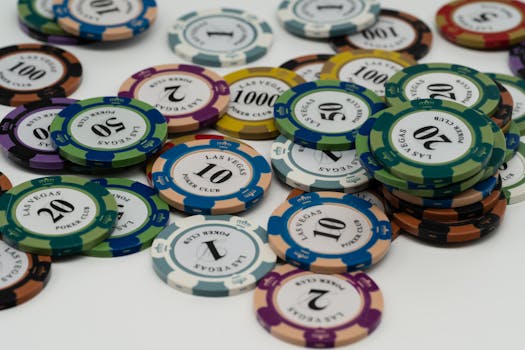
Las Vegas has long been synonymous with dazzling lights, high-stakes games, and an atmosphere of unbridled excitement. But its influence extends far beyond the Nevada desert. The city’s unique blend of entertainment, architecture, and marketing ingenuity has shaped the global casino industry, transforming how the world perceives and experiences gambling. From Macau’s towering resorts to Monte Carlo’s glitzy revamp, the Las Vegas effect is unmistakable. This article explores how Sin City became the blueprint for casino culture worldwide, examining its historic innovations, architectural trends, entertainment revolutions, and the ways it continues to set the pace for gaming destinations across the globe.
Las Vegas: Birthplace of Modern Casino Culture
In the early 20th century, gambling was largely an illicit or niche pastime. That changed in 1931, when Nevada legalized casino gaming. Las Vegas seized the opportunity, quickly evolving from a dusty railroad stop into a glittering oasis of risk and reward. By 1946, the opening of the Flamingo Hotel & Casino—bankrolled by notorious mobster Bugsy Siegel—ushered in a new era of luxury and spectacle.
The Las Vegas model didn’t just focus on gaming. It introduced the concept of the integrated resort: a destination where gambling, accommodations, entertainment, dining, and shopping coexisted under one roof. This innovation proved transformative. By the 1960s, the Strip’s neon glow and themed resorts were attracting millions annually. Las Vegas’s annual visitor tally surpassed 6 million in 1960, doubling by the 1980s, and reaching over 42 million in 2019.
.png)
This integrated approach revolutionized casino culture, turning gambling from a backroom activity into a glamorous, mainstream pursuit. International investors and entrepreneurs soon took note, seeking to replicate Las Vegas’s success in cities around the world.
The Las Vegas Blueprint: Architecture and Theming
Perhaps no aspect of Las Vegas’s influence is as visible as its architectural and thematic innovations. The city pioneered the concept of casino resorts as immersive fantasy worlds, designed to transport guests to faraway places or eras. Classic examples include:
- The Venetian, evoking romantic visions of Venice with canals and gondolas - Caesars Palace, a Roman Empire fantasy with marble columns and statues - Luxor, shaped like a giant Egyptian pyramid with a powerful sky beamThis approach proved wildly successful, with themed resorts quickly becoming tourist magnets. The global casino industry took notice. Today, many of the world’s most iconic casinos outside Las Vegas borrow heavily from this playbook.
For example, Macau’s Cotai Strip is dominated by properties like The Parisian Macao (with a half-scale Eiffel Tower) and the Venetian Macao (modeled after its Las Vegas counterpart). Singapore’s Marina Bay Sands, with its futuristic “SkyPark” spanning three towers, was inspired by the wow-factor architecture of the Las Vegas Strip.
Entertainment Beyond Gambling: The Vegas Show Model
While gambling is the main draw, Las Vegas also revolutionized casino entertainment. Starting in the 1950s and 60s, the city became a stage for world-class performers: Frank Sinatra, Elvis Presley, and the Rat Pack turned casino lounges into must-see venues. The so-called “Vegas residency” became a career milestone for musicians, comedians, and magicians.
This entertainment-first philosophy changed the global casino landscape. Today, international casino resorts offer much more than gaming, from Broadway-style revues to Michelin-starred restaurants and high-profile sporting events. Las Vegas set the standard for this all-encompassing approach and continues to host over 22,000 shows annually, drawing 9.7 million show attendees in 2022 alone.
Casino destinations like Macau, Singapore, and even Atlantic City have adopted this model, booking international headline acts and investing in luxury amenities to broaden their appeal. The result is a shift from gambling-centric to experience-centric resorts, maximizing revenue and attracting a wider clientele.
Marketing Innovations: The Power of Loyalty and Branding
Las Vegas casinos didn’t just innovate with architecture and entertainment—they also transformed marketing within the gaming industry. In the 1980s, Las Vegas pioneered player rewards programs, such as the Total Rewards program (now Caesars Rewards), which tracked player spending and awarded points redeemable for rooms, meals, and shows. By 2023, Caesars Rewards boasted over 60 million members worldwide.
This data-driven approach fundamentally changed casino marketing. By analyzing patron behavior, casinos could personalize offers, increase loyalty, and maximize lifetime value. The model quickly spread worldwide, from Macau’s Sands Rewards Club to Europe’s Club Serrano.
Another key innovation was the branding of casino resorts themselves. Instead of discreet or generic names, Las Vegas properties became brands—Bellagio, MGM Grand, Wynn—each promising a distinctive experience. These brands have since expanded globally, with Las Vegas-based companies operating flagship resorts in Asia, Europe, and beyond.
Las Vegas’s Global Footprint: Comparing Casino Capitals
The global casino industry is now a multibillion-dollar business, with Las Vegas, Macau, and Singapore serving as its leading hubs. Each destination has adopted and adapted the Las Vegas template in its own way. The table below compares key metrics for these casino capitals.
| Casino Capital | Annual Gaming Revenue (2023) | Number of Casinos | Annual Visitors (2023) | Iconic Features |
|---|---|---|---|---|
| Las Vegas | $8.9 billion | 60+ | 38.8 million | Themed resorts, world-class shows, Strip nightlife |
| Macau | $22.7 billion | 40+ | 28.2 million | Massive integrated resorts, VIP gaming, luxury retail |
| Singapore | $4.1 billion | 2 | 19.1 million | Ultra-modern architecture, celebrity chef restaurants |
This comparison demonstrates Las Vegas’s enduring prominence, even as other regions surpass it in gaming revenue. Macau, for example, now generates over twice the annual gaming revenue of Las Vegas, but much of its resort design and business model is rooted in the Las Vegas tradition.
Setting Trends: Las Vegas and the Rise of Online and Hybrid Casinos
Las Vegas’s influence is not limited to physical spaces. The city has also played a pivotal role in the evolution of online and hybrid casino experiences. As digital gaming grew in popularity, Las Vegas operators began embracing technology, launching branded online casinos and live-streamed dealer games designed to replicate the Vegas feel.
In 2020, the COVID-19 pandemic accelerated the convergence of digital and physical gaming. Las Vegas casinos responded by developing mobile apps, digital loyalty programs, and partnerships with online betting platforms. As of 2023, 38 states in the U.S. have legalized some form of commercial gambling, often in collaboration with established Las Vegas operators.
This blending of digital innovation and traditional casino culture—pioneered in Las Vegas—is now a template for global gaming expansion. Major European and Asian casinos are following suit, creating omnichannel experiences that merge the excitement of Las Vegas with the convenience of online access.
Las Vegas’s Enduring Legacy in Global Casino Culture
Las Vegas’s influence on global casino culture is both profound and enduring. Its integrated resort model, themed architecture, world-class entertainment, innovative marketing, and technological adaptation have all become industry standards. Even as other casino capitals like Macau and Singapore rise in prominence, they do so by building on the foundation laid by Las Vegas.
The city’s ability to reinvent itself—embracing everything from Cirque du Soleil spectacles to eSports tournaments—ensures its continued relevance. As global casino culture evolves, Las Vegas remains the benchmark against which all others are measured, inspiring gaming destinations and thrilling visitors from every corner of the world.