Poker is more than just a game of chance or a thrilling pastime; it is an enduring symbol woven deeply into the fabric of the American West. From the dusty saloons of frontier towns to the high-stakes tables in modern casinos, poker’s influence extends far beyond the felt. Its rise alongside gold rushes, railroads, and cattle drives reveals stories not only of luck and strategy but also of shifting cultural values, social order, and the American spirit itself. This article explores the cultural significance of poker in the American West, tracing its roots, its role in shaping identities, and the legacy it leaves behind.
Poker’s Origins and Its Journey Westward
Poker, as we know it, likely originated from several European games such as the French “poque” and the German “pochen.” These games made their way to the United States in the early 1800s. However, it was in the American West of the mid-to-late 19th century that poker truly found its defining character.
By the 1850s, as settlers crossed the Mississippi in search of fortune, poker tables became as common as pickaxes and pistols. The California Gold Rush (1848–1855) brought people from all walks of life—miners, merchants, outlaws, and lawmen—together in boomtowns where entertainment was scarce and stakes were high. In these environments, poker was more than a diversion; it was a way to quickly win or lose fortunes and test one’s mettle in a society that valued risk-taking and bravado.
.png)
According to a 2019 study by the Nevada Historical Society, over 60% of documented saloons in prominent Western towns, such as Deadwood and Dodge City, hosted regular poker games by the 1880s. The game’s adaptability and simplicity made it ideal for the transient, rough-and-tumble lifestyle of the West.
Saloon Life and Poker as Social Theater
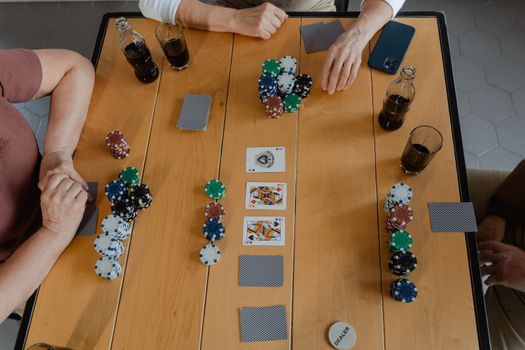
The saloon was the heart of many Western communities—a place to relax, negotiate, celebrate, and settle scores. Here, poker flourished as both a game and a spectacle. The image of cowboys, prospectors, and gamblers gathered around a green felt table, whiskey in hand, became iconic through countless stories, paintings, and films.
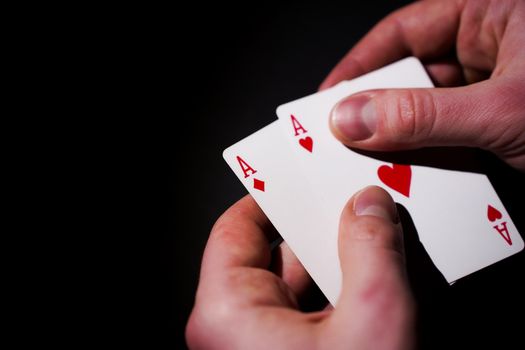
Poker served as a social equalizer in these settings. At the table, background, wealth, and even reputation could be upended by a single hand. Many historical figures, such as Wyatt Earp and Wild Bill Hickok, were known to participate in high-stakes poker games. In fact, Wild Bill Hickok was famously shot while playing poker in Deadwood in 1876, allegedly holding the now-legendary “dead man’s hand” of aces and eights.
The performative aspect of poker—the bluffing, the banter, the tension—made it a form of theater. As historian Robert K. DeArment writes, “Poker was the proving ground for nerve, wit, and resourcefulness, the very qualities prized on the frontier.”
Poker and the Myth of the Self-Made Individual
Central to the appeal of poker in the American West was its alignment with the ideal of the self-made man. On the frontier, personal merit and risk-taking were often valued more than ancestry or social standing. Poker mirrored this ethos better than most other games: anyone could sit at the table, and anyone could win, provided they had the skill, nerve, and sometimes a bit of luck.
The game’s reliance on both chance and strategy made it a metaphor for life in the West. As author James McManus notes in his book “Cowboys Full: The Story of Poker,” the game “rewards intelligence, resilience, and the capacity to read both situations and people.” For many, poker was a means to transcend circumstance—an opportunity to turn a small stake into a new beginning, or at least a night’s entertainment.
This self-reliance and belief in opportunity contributed to poker’s enduring popularity in American culture, long after the closing of the frontier.
Poker, Law, and Social Order in the Wild West
While poker was a common pastime, it was not without controversy. Gambling in the American West occupied a gray area between legality and lawlessness. In some towns, poker games were officially sanctioned and taxed, providing much-needed revenue for local governments. In others, they operated in the shadows, often protected—or preyed upon—by outlaws and corrupt officials.
The relationship between poker and law enforcement is exemplified by figures such as Bat Masterson and Wyatt Earp, who were both peace officers and frequent poker players. Their dual roles highlight the fluid boundaries between law, order, and vice in Western towns.
Cheating was an ever-present threat, leading to a culture of vigilance and sometimes violence. Stories abound of marked cards, hidden aces, and disputes settled at gunpoint. A report from the Oklahoma Historical Society estimates that gambling-related violence accounted for nearly 12% of homicides in frontier towns between 1870 and 1900.
Despite these dangers, poker also served as an informal mechanism for resolving disputes and distributing wealth in an era when formal institutions were often lacking.
Women, Minorities, and Poker’s Unexpected Players
Contrary to the popular image of poker as a male-dominated pursuit, women and minorities also played significant roles in the game’s Western history. Notable female gamblers, such as Eleanore Dumont (also known as “Madame Moustache”), ran successful gaming houses and earned reputations as formidable poker players.
Chinese immigrants, who arrived in large numbers during the Gold Rush, brought their own gambling games and often participated in poker as well. African American cowboys and Mexican vaqueros also joined the tables, despite facing social and legal discrimination.
This diversity at the poker table challenged prevailing social hierarchies, if only temporarily. In the words of historian Anne Butler, “The poker table offered, for a moment, a level playing field that the rest of society did not.”
Poker in Western Lore: Literature, Film, and Popular Culture
Poker’s legacy in the American West extends far beyond its actual practice. The game is immortalized in literature, film, and folklore as a symbol of risk, adventure, and individualism. From Mark Twain’s humorous tales to the tense showdowns of classic Western movies, poker scenes are shorthand for drama, wit, and high stakes.
Hollywood has played a significant role in cementing poker’s place in the national imagination. Films like “Maverick” (1994), “Tombstone” (1993), and “The Cincinnati Kid” (1965) use poker as a plot device and as a cultural touchstone, reinforcing its association with frontier justice and personal destiny.
A 2022 survey by the American Film Institute found that over 70% of Western films produced between 1940 and 1980 feature at least one poker scene, attesting to the game’s symbolic weight.
Comparing Poker to Other Western Pastimes
To better understand poker’s cultural significance, it’s useful to compare it to other popular pastimes of the American West. The table below highlights key differences in popularity, accessibility, and cultural impact.
| Pastime | Estimated Participants (1870s) | Accessibility | Cultural Impact |
|---|---|---|---|
| Poker | Over 100,000 | High (Minimal equipment needed, played in most towns) | Iconic; symbol of risk, equality, and individualism |
| Faro | Approximately 80,000 | Medium (Required specialized tables, mostly in larger saloons) | Popular but now largely forgotten |
| Horse Racing | About 40,000 | Low (Needed tracks and horses, more rural) | Important for community events, less symbolic weight |
| Dice Games | Over 60,000 | High (Simple, portable, played anywhere) | Common but less associated with Western identity |
As the table shows, poker’s accessibility and symbolic resonance helped set it apart from other leisure activities.
Lasting Influence: Poker’s Place in Modern American Identity
Poker’s roots in the American West continue to shape its modern image. Today, the game is played everywhere from Las Vegas casinos to online platforms, but the mystique of the Western poker table persists. Poker tournaments often invoke “Wild West” aesthetics, and phrases like “poker face” and “ace up one’s sleeve” remain part of everyday language.
The World Series of Poker, first held in Las Vegas in 1970, attracts over 8,000 participants from around the world each year, testifying to the game’s enduring appeal. Its legacy as the game of the frontier is celebrated not just in the U.S., but globally.
Poker’s rise from frontier pastime to international phenomenon speaks to its unique ability to capture the spirit of competition, risk, and resilience—qualities at the heart of the American story.