The Psychological Implications of Casino Design: How Architecture Influences Behavior
Casinos are often considered temples of chance, but beneath the glitz and glamour lies a world meticulously crafted to influence human behavior. The psychological implications of casino design stretch far beyond mere aesthetics; they intertwine with cognitive biases, emotional triggers, and even our sense of time. For decades, casino designers—armed with insights from psychology, neuroscience, and behavioral economics—have shaped environments that not only attract but also retain players, maximizing both excitement and the house’s bottom line.
In this article, we will explore how every element from lighting to layout plays a role in the casino experience, look at the science behind these design choices, and consider the broader impacts on patrons’ mental states.
The Evolution of Casino Design: From Mazes to Modern Minimalism
Casino design has undergone dramatic transformations over the decades, reflecting shifts in both technology and our understanding of human psychology. In the mid-20th century, Bill Friedman—a Las Vegas casino executive—championed the “maze” layout, where gamblers navigated winding pathways with few clocks, windows, or exits in sight. This “gaming labyrinth” approach was intended to keep players on the floor for as long as possible, disoriented and engaged.
.png)
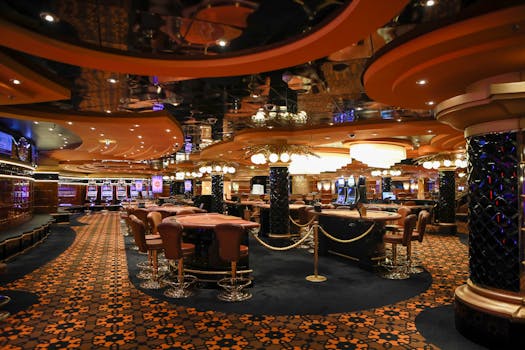
However, in the late 1990s, Roger Thomas, a designer associated with The Mirage and Wynn Las Vegas, introduced what is now known as the “playground” model. Thomas replaced dark, maze-like interiors with open spaces, natural light, and appealing aesthetics. This shift recognized that comfort and perceived luxury could encourage longer stays and higher spending just as effectively as confusion and sensory overload.
Today, casinos blend aspects of both approaches, supported by a growing body of psychological research. The design philosophy now balances comfort and stimulation, striving for environments that are inviting yet subtly engineered to influence decision-making.
Sensory Engineering: Manipulating Light, Sound, and Scent
One of the most profound psychological tools in casino design is the manipulation of sensory input. Casinos are experts at creating immersive environments that heighten excitement and blunt the perception of time.
Lighting: Bright, artificial lighting helps to eliminate natural time cues. Studies have shown that exposure to constant, artificial light can disrupt circadian rhythms, making it harder for guests to recognize how long they’ve stayed. Some casinos even employ dynamic lighting systems that subtly shift intensity and color to maintain alertness or induce relaxation as needed.
Sound: The soundscape of a casino is carefully curated. Slot machines are programmed with celebratory jingles and chimes, and background music is chosen for its tempo and mood-enhancing properties. According to a 2010 study published in the Journal of Gambling Studies, faster background music increases betting speed, while slower music encourages players to linger longer.
Scent: Olfactory cues are powerful triggers for memory and emotion. Many casinos use scent marketing—diffusing signature fragrances through ventilation systems. A landmark experiment at the Las Vegas Hilton found that slot machines in scented areas generated 45% more revenue than those in unscented sections, indicating that subtle fragrances can positively influence mood and spending.
Spatial Layout: How Physical Arrangement Shapes Decisions
The physical layout of a casino is anything but random. It is a calculated balance of accessibility, temptation, and containment.
Absence of Clocks and Windows: By removing clocks and windows, casinos disconnect players from the outside world and natural time cues. This encourages longer sessions since guests lose track of hours spent on the gaming floor.
Strategic Game Placement: High-traffic games like slots are placed at entrances to entice new arrivals, while high-stakes tables are often set deeper within the casino. Pathways are designed to lead guests past as many tempting options as possible, increasing opportunities for spontaneous play.
Comfort Zones: Lounges, bars, and rest areas are strategically positioned to provide respite without leading directly to exits. This helps refresh players and encourages them to return to gambling, rather than leave the premises.
Below is a comparison of classic and modern casino layouts:
| Design Feature | Classic "Maze" Layout | Modern "Playground" Layout |
|---|---|---|
| Lighting | Dim, artificial, with minimal variation | Brighter, natural light where possible |
| Navigation | Winding paths, few sightlines | Open spaces, clear sightlines |
| Clocks/Windows | Absent | Sometimes present, especially in high-end resorts |
| Ambience | Intense, immersive, sometimes overwhelming | Comfortable, luxurious, relaxing |
| Player Focus | Disorient and contain | Encourage comfort and longer, voluntary stays |
Color Psychology and Visual Cues
Color choice is another subtle but significant element in casino design. Each hue evokes specific emotions and behaviors, consciously or unconsciously guiding players’ actions.
Red: Often used in carpets and wall accents, red is associated with excitement, energy, and stimulation. Studies have shown that red environments can increase heart rate and adrenaline, potentially making players more willing to take risks.
Green: Green hues are calming and associated with safety and reassurance. Table felt is typically green, invoking the familiarity of traditional gambling settings and putting players at ease.
Blue and Purple: These colors are linked to luxury and relaxation, common in high-roller areas and lounges to create a sense of exclusivity.
Visual cues, such as flashing lights around slot machines or animated displays, draw attention and create a sense of urgency. Research by the University of British Columbia in 2016 showed that flashing lights and celebratory sounds can trick the brain into perceiving wins even when the payout is less than the initial wager, reinforcing continued play.
The Role of Social and Personal Space
Social dynamics within casinos are carefully managed through design to maximize comfort and engagement.
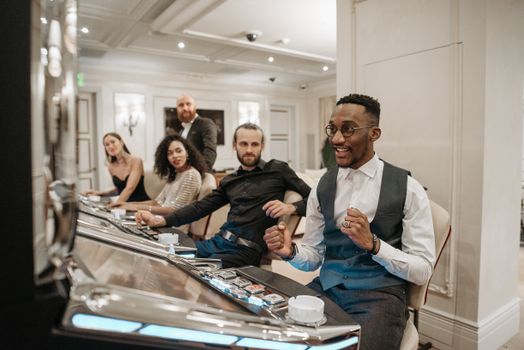
Crowding and Privacy: Slot machines are often arranged in clusters, giving a sense of camaraderie while still maintaining enough personal space to avoid discomfort. Table games are spaced to balance social interaction with a sense of individual focus.
Observation and Visibility: The layout ensures that patrons can see others winning, which leverages the psychological principle of social proof—the idea that seeing others succeed increases one’s belief in their own potential for success.
VIP and High Roller Areas: Exclusive rooms and secluded tables are designed for privacy, comfort, and prestige. According to the American Gaming Association, VIP players, who make up less than 5% of casino visitors, can account for over 30% of gaming revenue in some establishments. These areas use plush furnishings and personalized service to foster loyalty.
The Downside: Psychological Risks and Responsible Design
While casino design can enhance entertainment and excitement, it also comes with psychological risks. The very elements that make casinos alluring can contribute to problematic gambling behaviors.
Loss of Time Awareness: Removing time cues can cause players to gamble for hours without realizing it, increasing the risk of significant losses.
Sensory Overload: Constant noise, lights, and crowds can impair judgment and reduce self-control, especially for vulnerable individuals.
Encouragement of “Near Misses”: Slot machines and some table games are programmed to deliver “almost win” results, activating the same brain regions as actual wins and encouraging further play.
To combat these issues, some jurisdictions have introduced responsible gaming measures. For example, Ontario, Canada, mandates the placement of clocks and responsible gaming information throughout casinos. Technology is also being used to track play time and spending, offering players the option to set personal limits.
Shaping Our Experience: The Psychology Behind Casino Environments
The psychological implications of casino design are profound and multifaceted. From the color of the carpet to the scent in the air, every detail is crafted to create an environment that is as captivating as it is profitable. Understanding these techniques not only reveals the science behind the spectacle but also empowers individuals to approach casinos with greater awareness.
As the industry evolves, there is growing recognition that design can be harnessed not only to maximize revenue but also to promote responsible gambling and player well-being. The future of casino design may well lie in finding a balance between entertainment and ethics, ensuring that the thrill of the game never overshadows the importance of personal agency and mental health.