The Influence of Casino Design on Player Behavior: Unveiling the Psychology of Spaces
Step into any casino, and you’ll likely notice an atmosphere that feels both exhilarating and oddly timeless. The flashing lights, the hum of conversation, the plush carpets, and the winding layouts are no accident—they are the result of decades of research into how environment shapes human behavior. Casino design, often called “casino architecture” or “casino psychology,” is a field dedicated to maximizing player engagement and, ultimately, revenue. But how exactly does the design of a casino influence the actions, mood, and decisions of its patrons? This article delves into the fascinating interplay between design and behavior, revealing the subtle—and sometimes not-so-subtle—ways casinos keep players spinning, betting, and coming back for more.
The Origins of Casino Design Psychology
The study of casino design and its impact on player behavior dates back to the 1960s with the pioneering work of Bill Friedman. Friedman, a casino manager and author, developed what became known as the “classic” casino design. His philosophy was simple: create a maze-like environment filled with games, minimal windows, and few clocks. The objective was to keep players inside the casino, unaware of time passing.
By the 1980s and 1990s, casino design began to shift. Roger Thomas, an interior designer working for Steve Wynn, challenged Friedman’s approach with the concept of “playground design.” Instead of dark, maze-like spaces, Thomas advocated for open layouts, natural light, and luxurious surroundings. Modern casinos often blend these two philosophies, using both disorienting and inviting elements to optimize player engagement.
.png)
According to a 2022 study published in the Journal of Gambling Studies, casinos that blend classic and modern design elements see a 14% increase in average player time-on-premises compared to those using only one style. This demonstrates that even small changes in design can have measurable impacts on player behavior.
Layout and Navigation: The Maze vs. The Playground
One of the most significant aspects of casino design is the overall layout. The two predominant philosophies—Friedman’s “maze” and Thomas’s “playground”—have different effects on players.
Maze layouts are designed to confuse and captivate. With winding paths, no clear sightlines, and games positioned at every twist and turn, players find themselves “lost” in the casino, wandering from game to game. This increases the likelihood they’ll try new games or stay longer than intended.
In contrast, playground layouts use open spaces, clear pathways, and prominent landmarks. These casinos feel less claustrophobic and more welcoming, encouraging players to relax and explore at their own pace. For example, the Bellagio in Las Vegas is a classic case of the playground model, with its iconic fountains, grand entrances, and spacious gaming floors.
Research from the University of Nevada, Las Vegas found that maze-style casinos result in a 17% higher rate of “unintended play” (players engaging with games they did not originally plan to play), while playground-style casinos see a 23% increase in repeat visits due to their comfortable ambiance. The table below compares key features of these two design philosophies.
| Design Philosophy | Key Features | Player Impact |
|---|---|---|
| Maze (Classic) | Winding paths, minimal windows, dense game placement | Longer play times, more impulse gaming |
| Playground (Modern) | Open spaces, natural light, clear sightlines | Higher repeat visits, relaxed players |
Lighting, Color, and Atmosphere: Setting the Mood
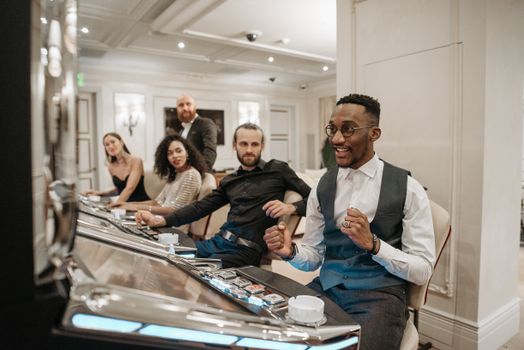
Lighting and color schemes play a pivotal role in shaping the casino atmosphere and influencing player emotions. Traditional casinos often employ low lighting, punctuated by bright, colorful lights over slot machines and tables. This contrast draws attention to the games and creates a feeling of intimacy and excitement.
Colors are chosen carefully: red is believed to stimulate gambling activity, while gold and purple evoke a sense of luxury and luck. In fact, a 2020 study by the University of British Columbia found that players exposed to red and gold color schemes wagered an average of 18% more per session compared to those in blue or green environments.
Modern casinos, such as the ARIA in Las Vegas, incorporate natural light and softer color palettes to make guests feel comfortable and less stressed. This approach is especially prevalent in high-limit or VIP areas, where the goal is to encourage longer stays among affluent players.
Music and ambient sounds further heighten the experience. Casinos frequently use upbeat, non-distracting music and carefully calibrated background noise levels to keep energy high without overwhelming players. Some even introduce nature sounds or subtle aromatic scents, such as vanilla or citrus, to create a welcoming and memorable environment.
Strategic Placement of Games and Amenities
Casino operators devote significant attention to the placement of games and amenities, knowing that location can influence player choices. High-traffic areas—like entrances and intersections—are often reserved for slot machines, which account for up to 70% of casino revenue in the United States. Table games and high-limit rooms are typically placed deeper within the casino, encouraging guests to explore the floor.
Amenities such as bars, restaurants, and restrooms are also strategically located. Placing these facilities far from exits forces players to traverse the gaming floor, increasing exposure to games and promotional offers. Some casinos even position cash-out windows at the back, subtly discouraging players from leaving with winnings.
A 2021 report from the American Gaming Association found that casinos with centrally located bars and restaurants saw a 12% increase in average player spend compared to those with peripheral amenities. This highlights how seemingly minor design decisions can have major effects on patron behavior and profitability.
Time Perception and Environmental Cues
One of the most well-known tricks in casino design is the manipulation of time perception. By eliminating windows and clocks, casinos create an environment where players lose track of time. This phenomenon, known as “the casino effect,” has been shown to increase the average session length by up to 30%, according to a 2019 study by the University of Nottingham.
The absence of natural time cues keeps players in a perpetual state of “now,” making it easier to justify one more spin, hand, or bet. Bright, artificial lighting and a constant flow of activity reinforce the illusion that the casino never sleeps. Even the use of certain scents—like the signature coconut fragrance in the Mirage—can make the environment more inviting and reduce player fatigue.
On the flip side, some modern casinos are experimenting with reintroducing natural light and subtle time indicators, especially in European and Asian markets where regulatory pressures are higher. The goal is to appeal to a wider range of guests, including those who may be put off by the traditional “timeless” casino model.
Digital and Online Casino Design: The Virtual Influence
With the rise of online gambling, the influence of design has moved into the digital realm. Online casinos use color psychology, sound effects, and intuitive navigation to mimic the sensory experiences of brick-and-mortar establishments. Elements such as animated slot reels, virtual “ding” sounds, and immersive backgrounds keep players engaged.
Data from Statista shows that, as of 2023, the global online gambling market is worth over $95 billion. A significant factor in this growth is user interface design, with studies indicating that online casinos with streamlined, visually appealing layouts see a 28% higher retention rate.
Additionally, digital casinos experiment with reward notifications, progress bars, and personalized messages to stimulate a sense of achievement and anticipation. These features draw from the same psychological principles used in physical casino design, demonstrating that the influence of design on behavior is not limited to the real world.
Final Thoughts on the Power of Casino Design
The influence of casino design on player behavior is both subtle and profound. From the way spaces are arranged to the colors on the walls and the placement of amenities, every detail is meticulously curated to maximize engagement and spending. As casinos continue to evolve—embracing both physical and digital innovations—the role of design will only grow in importance. Understanding these dynamics can empower players to make more informed choices and offer valuable insights into the broader world of environmental psychology.