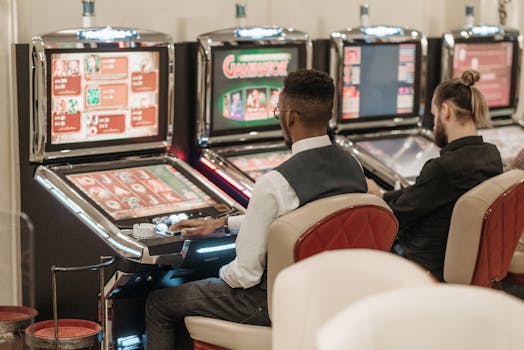
Slot machines are an unmistakable icon of the casino floor. With their flashing lights, enticing sounds, and the promise of instant jackpots, they have drawn millions of players over the decades. But the slot machine has not always looked as it does today. Its journey from a simple mechanical device to a digital gaming powerhouse is a fascinating story of innovation, regulation, and cultural evolution. In this article, we’ll explore the evolution of slot machines in casinos, tracing their transformation from 19th-century inventions to the high-tech, immersive experiences of the 21st century.
Origins: The Birth of the Slot Machine
The slot machine’s roots can be traced back to the late 19th century in the United States. In 1891, Sittman and Pitt of Brooklyn, New York, developed a gambling machine based on poker, containing five drums and a total of 50 card faces. Players would insert a nickel and pull a lever to spin the drums, aiming for a winning poker hand. However, this early machine did not pay out winnings automatically; instead, prizes such as cigars or drinks were awarded by the establishment.
The real breakthrough came in 1895 when Charles Fey, a San Francisco mechanic, invented the Liberty Bell. This machine featured three spinning reels and five symbols: horseshoes, diamonds, spades, hearts, and a cracked Liberty Bell. Unlike its predecessor, the Liberty Bell was capable of making automatic payouts, which set the stage for modern slot machines. The top prize was 50 cents, a considerable sum at the time.
.png)
By the early 20th century, slot machines had become a fixture in bars, saloons, and eventually casinos. Though early machines were often banned or heavily regulated, their popularity only grew, leading to creative ways to sidestep gambling restrictions. For instance, “fruit machines” paid out chewing gum or candy rather than cash, giving rise to the enduring fruit symbols like cherries and lemons.
Electromechanical Revolution: The Rise of Payouts and Features
The next significant leap in slot machine evolution came in the 1960s. Bally Technologies, a leader in gaming innovation, introduced the first fully electromechanical slot machine in 1963, called Money Honey. This machine replaced the purely mechanical workings with electrical components, allowing for bigger hoppers and automatic payouts of up to 500 coins without an attendant.
Electromechanical slots opened the door to new features, including:
- Multiple coin bets - Flashing lights and sound effects - The introduction of “hold” and “nudge” featuresBy the 1970s, slot machines had become the most popular casino game in the United States. In Las Vegas, slots accounted for nearly 70% of a casino’s gaming revenue by the late 1980s. The appeal was clear: these machines were easy to play, required no special skills, and offered the tantalizing chance of a life-changing jackpot.
The Digital Age: Microprocessors and Video Slots
The late 1970s and 1980s saw another major transformation with the introduction of microprocessors and video displays. The first true video slot was developed in 1976 by Fortune Coin Co. in Las Vegas. Using a modified Sony TV for its display, the game was initially met with skepticism but was soon approved by the Nevada State Gaming Commission.
Video slots revolutionized the casino industry in several ways:
- Reels were now displayed digitally, allowing for more symbols and paylines - Random Number Generators (RNGs) replaced physical reels, ensuring fairness and unpredictability - The number of possible outcomes and jackpot sizes increased exponentiallyBy the 1990s, video slots dominated casino floors, thanks to their flexibility and engaging graphics. Bonus rounds, free spins, and interactive features became standard, turning slot play into a more dynamic and immersive experience.
Progressive Jackpots and Networked Gaming
Perhaps one of the most exciting developments in slot machine history was the invention of the progressive jackpot. In 1986, International Game Technology (IGT) released Megabucks, the first wide-area progressive slot machine system. In this system, a small portion of each wager from linked machines in multiple casinos contributed to a single, ever-increasing jackpot.
Key facts about progressive jackpots:
- The first Megabucks jackpot was won in 1987 for $4.9 million - By 2003, a Las Vegas cocktail waitress won $34.9 million on a Megabucks machine, setting a world record - In 2023, the average top progressive slot jackpot in Las Vegas exceeded $10 millionProgressive jackpots transformed the slot experience, offering players the chance to become instant millionaires. This innovation fueled the popularity of slots both in land-based casinos and, later, online.
Slot Machines in the Internet Era: Online and Mobile Gaming
The turn of the 21st century brought slot machines into the digital realm. Online casinos began offering virtual slots in the 1990s, and the industry exploded with the rise of broadband internet and mobile devices. Today, online slots are the most popular form of online gambling, accounting for over 70% of casino game revenue globally.
Key statistics on the growth of online slots:
- The global online gambling market was valued at $63.5 billion in 2022, with slots as the leading segment - Over 3,000 unique online slot titles are available in major markets (as of 2024) - Mobile devices account for more than 60% of online slot playModern online slots are rich with multimedia elements, 3D graphics, branded themes (from movies, TV, and music), and networked progressive jackpots. The ability to play anytime and anywhere has broadened the slot machine’s appeal to new demographics.
Comparing Slot Machine Eras: Key Differences
To better understand the evolution of slot machines in casinos, let’s compare the major eras side by side:
| Era | Technology | Payout Method | Popular Features | Notable Milestone |
|---|---|---|---|---|
| Mechanical (1890s–1960s) | Springs, gears, levers | Coins, mechanical payout | Three reels, fruit symbols | Liberty Bell (1895) |
| Electromechanical (1960s–1970s) | Electric motors, hoppers | Automatic coin payout | Bigger hoppers, flashing lights | Money Honey (1963) |
| Video (1980s–1990s) | Microprocessors, video screens | Ticket-in, ticket-out (TITO) | Multiple paylines, bonus rounds | First video slot (1976) |
| Progressive & Online (1986–present) | Networked systems, internet | Digital credits, jackpots | Progressive prizes, mobile play | Megabucks launch (1986) |
Responsible Gaming and Regulation Through the Years
The widespread popularity of slots has always raised concerns about responsible gambling. Over the years, both technology and regulation have evolved to ensure fairness and player protection:
- RNG auditing: All modern slot machines use Random Number Generators (RNGs), which are regularly audited by independent agencies for fairness. - Payout percentages: Most jurisdictions set minimum payout rates. For example, Nevada requires slot machines to return at least 75% of wagers as winnings. - Self-exclusion and limit-setting: Online casinos and many modern slot machines now offer players the ability to set deposit, loss, or time limits. - Age verification: Land-based and online casinos must verify the age of players, typically 21+ in the United States and 18+ in most other countries.These measures help maintain the integrity of the game while promoting safer gambling environments.
The Future of Slot Machines: Technology and Player Experience
What does the future hold for slot machines in casinos? Several trends are shaping the next era:
- Skill-based slots: Some machines now incorporate elements of video gaming, where player decisions can influence outcomes alongside luck. - Virtual and augmented reality: VR slot games offer fully immersive 3D environments, while AR features blend digital elements with the real-world casino floor. - Personalization: Using player data, casinos can tailor slot experiences with custom bonuses, graphics, and themes. - Blockchain and cryptocurrencies: A growing number of online casinos offer slots with cryptocurrency wagering and provably fair mechanisms.As the industry continues to innovate, one thing remains constant: the slot machine’s ability to captivate and entertain. From nickel machines in smoky saloons to digital marvels on our smartphones, the evolution of slot machines in casinos is a testament to the enduring appeal of luck, excitement, and possibility.