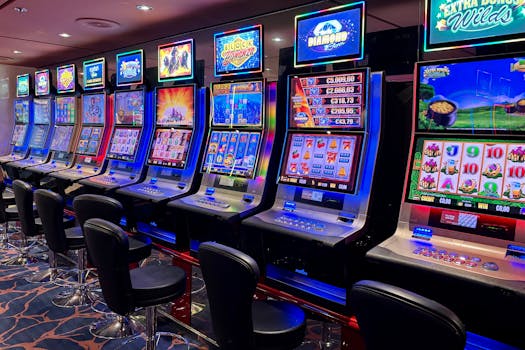
The Relationship Between Casinos and Tourism: Exploring a Dynamic Partnership
The glittering lights, the promise of fortune, and the allure of entertainment: for decades, casinos have served as magnets for travelers worldwide. But the relationship between casinos and tourism is far deeper than surface glamour. This connection has helped shape the identity and economic destiny of cities and regions, from the neon glow of Las Vegas to the opulent resorts of Macau and the integrated developments of Singapore. In this article, we’ll explore the multifaceted partnership between casinos and tourism—examining how each influences the other, the measurable economic impacts, trends in casino tourism, and the challenges and opportunities ahead.
How Casinos Drive Tourism: Beyond Gaming Tables
Casinos have evolved far beyond simple gambling halls. Today, they are multifaceted entertainment complexes designed to attract a wide variety of visitors. The modern casino resort typically includes luxury hotels, fine dining, conference centers, shopping malls, theaters, and even theme parks. This diversification is strategic: according to the American Gaming Association, non-gaming revenue in Las Vegas exceeds gaming revenue, with 64% of total earnings in 2022 coming from sources like lodging, food, and entertainment.
Casinos are often at the center of tourism strategies, serving not just as attractions but as anchors for broader development. For example, the Marina Bay Sands in Singapore, which opened in 2010, became an instant tourist landmark. Within five years, international visitor arrivals to Singapore surged by 22%, and the integrated resort itself drew over 45 million visitors in its first four years.
.png)
Key ways casinos drive tourism include:
- Hosting world-class events: From boxing matches to major concerts, casinos attract visitors who might not otherwise gamble. - Creating iconic architecture: Casino resorts like The Venetian in Macau or the Bellagio in Las Vegas are destinations in their own right. - Bundling experiences: Packages that combine gaming, dining, spa treatments, and shows are designed to appeal to a broad audience.Economic Impact: Measuring the Benefits of Casino Tourism
The economic ties between casinos and tourism are profound, with benefits radiating well beyond the casino floor. Here are some key ways in which casino-driven tourism impacts local and national economies:
Job creation: Casino resorts are major employers. For instance, Las Vegas casinos employ over 180,000 people, while Macau’s gaming sector accounts for more than 20% of the city’s workforce. Tax revenue: Governments often rely on casino taxes to fund public services. In 2022, Nevada collected over $1.2 billion in gaming taxes, supporting education, infrastructure, and more. Spending spillover: Tourists visiting casinos spend money on hotels, restaurants, taxis, shopping, and entertainment. According to the U.S. Travel Association, every $1 spent on casino gaming generates an additional $2 in non-gaming tourism spending. Urban development: Integrated casino resorts frequently drive investment in infrastructure, such as improved transportation, new hotels, and public amenities.
These economic benefits are not confined to global gambling capitals. Regional casinos in places like Atlantic City, New Jersey, and Niagara Falls, Canada, have also revitalized local economies and attracted millions of visitors annually.
Global Destinations: Comparing Casino Tourism Hotspots
Not all casino destinations are created equal. Some cities and countries have made casino tourism a central pillar of their economic strategy, while others maintain strict controls or outright bans. The following comparative table highlights some of the world’s leading casino tourism destinations based on 2023 data:
| Destination | Annual Casino Revenue (USD) | Annual Tourist Arrivals | % Tourists Citing Casinos as Main Draw |
|---|---|---|---|
| Macau | $22.7 Billion | 28.2 Million | 60% |
| Las Vegas | $8.3 Billion | 38.8 Million | 47% |
| Singapore | $3.1 Billion | 13.6 Million | 42% |
| Monte Carlo | $243 Million | 1.2 Million | 35% |
| Atlantic City | $2.8 Billion | 20.7 Million | 30% |
Macau stands out as the world’s largest casino market, with the majority of its tourists visiting primarily for gaming. Las Vegas, meanwhile, draws nearly 40 million tourists a year, but a significant share come for conventions, exhibitions, and entertainment, in addition to gaming.
The Evolution of Casino Tourism: Trends and Innovations
Casino tourism is not static. In recent years, a number of trends have reshaped how casinos attract and engage visitors:
Integrated Resorts: The concept of the “integrated resort” (IR) has taken hold in Asia and beyond. These mega-complexes blend gaming with luxury hotels, convention centers, retail, and attractions, appealing to tourists who may not be primarily interested in gambling. The success of IRs in Singapore and Macau has inspired similar developments in Japan and the Philippines. Emphasis on Non-Gaming Experiences: According to a Global Gaming Expo report, only 34% of Las Vegas visitors in 2022 gambled during their stay, down from 77% in 1990. Casinos are responding by investing in fine dining, nightlife, shopping, and wellness offerings. Technology and Digital Integration: Mobile apps, online booking, and digital loyalty programs enhance the tourist experience, while virtual and augmented reality attractions are beginning to appear in some casino resorts. Sustainable Tourism Initiatives: With growing awareness of environmental impact, casinos are adopting green building practices, energy-efficient systems, and community engagement programs to appeal to eco-conscious travelers. Destination Marketing: Many casino resorts partner with tourism boards to market their cities as must-visit destinations, launching global ad campaigns and hosting international events.
Challenges and Considerations in Casino-Driven Tourism
While the casino-tourism relationship brings many benefits, it is not without challenges. Some key issues include:
Social Costs: Increased gambling opportunities can lead to higher rates of problem gambling, which impacts individuals, families, and social services. According to the National Council on Problem Gambling, around 1% of U.S. adults (2 million people) are estimated to meet criteria for gambling disorder. Economic Volatility: Tourism and casino revenues are sensitive to economic cycles, global crises, and regulatory changes. The COVID-19 pandemic, for example, caused Macau’s casino revenue to drop by more than 80% in 2020. Over-Reliance: Cities that depend heavily on casino tourism can be vulnerable to downturns, competition, or shifts in travel trends. Diversification remains a key strategy for long-term resilience. Cultural Impact: Casino tourism can bring rapid change to local communities, sometimes leading to cultural tensions or changes in local identity.
Policymakers and industry leaders must therefore strike a careful balance: maximizing economic benefits while managing risks and supporting responsible tourism.
Case Studies: Successful Casino Tourism Models
To better understand the real-world impact of the casino-tourism relationship, let’s look at two case studies:
Macau: From Decline to Dominance
Once a declining Portuguese colonial outpost, Macau’s fortunes transformed after the liberalization of its gaming sector in 2002. International casino operators invested billions, and by 2014, Macau’s gaming revenue was seven times that of Las Vegas. The city’s integrated resorts, such as the Venetian Macao and City of Dreams, became regional tourist magnets, with over 60% of visitors citing casinos as their main reason for visiting. Today, Macau’s tourism-driven economy supports one of the highest per-capita GDPs in Asia.
Singapore: Controlled Expansion
Singapore’s entry into casino tourism was cautious but strategic. The government licensed just two integrated resorts—Marina Bay Sands and Resorts World Sentosa—imposing strict regulations and entry fees for local residents. The results have been impressive: from 2010 to 2019, tourism receipts nearly doubled, with the integrated resorts drawing millions of international visitors and hosting major conventions, exhibitions, and entertainment events. At the same time, Singapore maintains one of the lowest rates of gambling-related harm in the world.
The Future of Casinos and Tourism: What Lies Ahead?
As travel and leisure industries continue to evolve, the relationship between casinos and tourism will remain dynamic. Future growth is likely to be shaped by:
- The expansion of integrated resorts in new markets, such as Japan and South Korea - Increasing use of technology to personalize and enhance the tourist experience - A greater focus on sustainability and responsible tourism practices - Diversification into non-gaming attractions, wellness tourism, and cultural experiencesUltimately, the most successful casino tourism destinations will be those that innovate, adapt, and create holistic value for both visitors and local communities.