Slot machines have become an enduring symbol of casinos, both physical and virtual, capturing the imagination of millions of players around the world. From the spinning reels to the bright, inviting icons, slot machine symbols are more than just decorative images—they are the product of a fascinating blend of mathematics, psychology, and design. Understanding the science behind slot machine symbols offers a window into why these games are so alluring and how they work under the hood. This article explores the evolution, function, and psychological power of slot symbols, revealing what makes them so effective at keeping players engaged.
The Origins and Evolution of Slot Machine Symbols
The story of slot machine symbols begins in the late 19th century, with the invention of the first mechanical slot machine by Charles Fey in 1895. Known as the Liberty Bell, Fey’s machine featured three spinning reels adorned with symbols such as horseshoes, diamonds, spades, hearts, and the now-iconic Liberty Bell. The Liberty Bell symbol itself became synonymous with jackpots, as landing three in a row would trigger the highest payout.
As slot machines grew in popularity, their symbols evolved. In the early 20th century, manufacturers introduced fruit symbols—cherries, lemons, plums, and oranges—partly to circumvent anti-gambling laws by awarding chewing gum or candy of corresponding flavors as prizes. The BAR symbol, another slot staple, originated from the Bell-Fruit Gum Company’s logo.
.png)
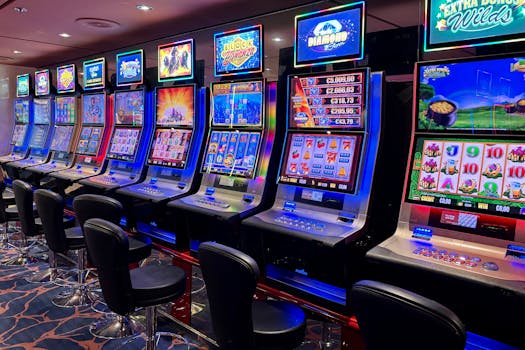
Today’s digital slots have expanded far beyond fruit and bells. Modern games can feature hundreds of unique symbols, from ancient Egyptian icons to movie characters, with up to 243 ways to win on a single spin. According to the American Gaming Association, there were over 900,000 slot machines in the United States alone as of 2022, each utilizing a variety of symbols to entice players.
The Mathematics of Slot Machine Symbols and Payouts
At first glance, slot machine symbols may appear randomly arranged, but their placement and frequency are the result of sophisticated probability calculations. Each symbol is assigned a certain weight, affecting how often it appears on the reels and, consequently, the likelihood of winning combinations.
In traditional three-reel slots, each reel might have 22 stops (symbol positions), but not all stops are created equal. Designers can program certain symbols, like the jackpot-triggering icon, to appear less frequently—a concept known as "symbol weighting." For example, a cherry might occupy five stops, while the jackpot symbol only appears once per reel. This ensures big wins remain rare.
The advent of video slots and Random Number Generators (RNGs) has allowed for even greater complexity. An RNG can simulate reels with hundreds of virtual stops, enabling a wide range of possible symbol combinations and payouts. This technology lets game designers fine-tune the return-to-player (RTP) percentage—typically ranging from 85% to 98%—and balance the frequency of small versus large wins.
Here’s a comparison of classic versus modern slot machine design:
| Feature | Classic Mechanical Slots | Modern Digital/Video Slots |
|---|---|---|
| Number of Reels | 3 | 3-7+ |
| Symbols per Reel | Up to 22 | Hundreds (virtual stops) |
| Types of Symbols | Fruit, Bell, BAR | Themed icons, Wilds, Scatters, Bonuses |
| Ways to Win | 1-5 paylines | Up to 243+ ways |
| RTP Range | 70-85% | 85-98% |
The Psychology Behind Slot Machine Symbols
Slot machine symbols are not just chosen for their visual appeal; they are carefully crafted to maximize player engagement. Designers use a combination of colors, shapes, and themes that trigger emotional responses. For instance, bright reds and yellows are commonly used because they stimulate excitement and attract attention. The fruit symbols, with their cheerful, familiar look, evoke nostalgia and comfort.
Beyond aesthetics, many symbols are tied to psychological concepts such as "near-miss" and "anticipation." Studies show that when players see two jackpot symbols and a third just misses the payline, their brains experience a surge of dopamine—the same neurotransmitter linked to reward and pleasure. This near-miss effect keeps players spinning, chasing the elusive big win.
Sound also plays a role. Research from the University of Waterloo found that even losing spins are often accompanied by celebratory sounds and animations, creating the illusion of winning. In one survey, 67% of players reported that the symbols and accompanying graphics increased their enjoyment of the game.
Another psychological trick is the introduction of special symbols, like wilds and scatters, which break up the monotony of standard spins and add layers of excitement. Wild symbols can substitute for others, increasing the odds of a win, while scatter symbols often trigger bonus rounds or free spins, offering additional chances to win.
Special Symbols: Wilds, Scatters, and Bonuses Explained
While classic slots relied on a handful of symbols, modern machines feature a variety of special icons designed to keep gameplay fresh and unpredictable. Here’s a breakdown of the most common types:
Wild Symbols: These act as jokers, substituting for most other symbols to help create winning combinations. Some games feature expanding wilds, sticky wilds, or walking wilds, each adding a unique twist.
Scatter Symbols: Unlike regular symbols, scatters pay out or trigger features when they appear anywhere on the reels, not just on a payline. Three or more scatters typically activate free spins or bonus rounds—a key draw for many players.
Bonus Symbols: These are often used to launch mini-games or interactive features, such as picking games or wheel spins, where players can win extra prizes. Bonus features can significantly increase the volatility and potential payout of a slot game.
Multiplier Symbols: Found in some games, these multiply the payout of any winning combination they are part of, sometimes by as much as 10x or more.
These special symbols add depth to gameplay, introduce new forms of anticipation, and help differentiate one slot from another in a crowded market. According to a 2021 survey by the UK Gambling Commission, over 60% of slot players cited bonus features and special symbols as key factors in their choice of games.
The Role of Symbol Design in Branding and Storytelling
Slot machine symbols are a powerful tool for branding and storytelling. In the highly competitive casino industry, game developers use unique symbol designs to establish a game’s identity and draw in specific audiences. For example, branded slots based on blockbuster movies or popular TV shows use instantly recognizable symbols—think the Bat-Signal in a Batman slot or golden rings in a Lord of the Rings game—to attract fans.
Story-driven slots often use themed symbols to immerse players in a particular world, whether it’s ancient Egypt, the Wild West, or outer space. The combination of symbols, background art, and sound effects creates a cohesive narrative experience, transforming what could be a repetitive activity into an engaging adventure.
In recent years, personalized slots have emerged, featuring symbols that change based on player preferences or past behavior. This trend reflects the broader movement in digital entertainment toward customization and player agency.
Regulation and Fairness: Ensuring Integrity in Slot Symbols
With the immense popularity of slot machines, regulatory oversight is crucial to ensure fairness and transparency. Gaming authorities require all slot games to use certified Random Number Generators (RNGs), which guarantee that the appearance of each symbol is truly random and not manipulated by the casino.
In the United States, state gaming commissions regularly audit slot machines to verify their RTP percentages and symbol distribution. For example, Nevada law mandates that all slot machines must return at least 75% of wagered money to players, with most modern machines set at 85-90% RTP or higher.
Online slots are also subject to strict regulation. Independent testing labs such as eCOGRA and GLI audit games to ensure that symbol frequency and payouts match the published odds. This oversight protects players and maintains trust in the casino industry.
Final Thoughts on the Science Behind Slot Machine Symbols
Slot machine symbols are the result of a rich interplay between mathematics, psychology, and creative design. From their humble origins as fruit and bells to today’s complex themed icons, these symbols are meticulously engineered to balance excitement, fairness, and entertainment. The next time you spin the reels, remember that every symbol carries with it a story—one shaped as much by science as by luck.