The Evolution of Slot Machines in Casinos: From Liberty Bell to Digital Marvels
Slot machines are more than just a fixture on the casino floor—they are a symbol of chance, entertainment, and the ever-changing world of gambling. Over the past 130 years, these iconic machines have undergone radical transformations in technology, design, and gameplay, evolving from simple mechanical devices to the dazzling digital spectacles we see today. The story of slot machines is not only a tale of technological innovation but also a reflection of changing cultural preferences and the business strategies of casinos worldwide.
The Birth of the Slot Machine: Liberty Bell and the Early Years
The history of slot machines begins in 1895 with Charles Fey, a San Francisco mechanic who forever changed gambling entertainment. Fey’s invention, the Liberty Bell, was a three-reel mechanical device featuring five symbols: horseshoes, diamonds, spades, hearts, and the Liberty Bell itself. Players pulled a lever to spin the reels, and a row of three Liberty Bells paid out the grand prize—50 cents. This was a substantial sum at the time, considering that the average daily wage was around $2.
Quickly gaining popularity in bars, saloons, and cigar shops, the Liberty Bell was followed by similar machines from manufacturers like Mills Novelty Company. These early slots were entirely mechanical, with levers, springs, and gears determining the outcome. Due to strict gambling regulations, many early machines dispensed gum or tokens instead of cash, using fruit symbols (cherries, lemons, plums) that remain iconic today.
.png)
Electromechanical Slots: Lighting Up the Casino Floor
By the 1960s, technological advancements brought about the next major leap: electromechanical slot machines. In 1963, Bally introduced Money Honey, the first fully electromechanical slot. This innovation replaced many of the purely mechanical components with electrical ones, allowing for automatic payouts of up to 500 coins and more complex game designs.
Electromechanical slots introduced several features we now take for granted:
- Flashing lights and sounds to attract attention - Larger hoppers for bigger jackpots - The potential for multi-coin betsThis era also saw the introduction of the "bottomless hopper," which allowed for continuous payouts and helped fuel the rapid expansion of slot machines in Las Vegas and beyond. By the 1970s, slots accounted for over 70% of casino floor space in Nevada, with the Nevada Gaming Commission reporting that slot revenue surpassed table games for the first time in 1976.
The Digital Revolution: Video Slots and Microprocessors
The 1980s marked a turning point with the arrival of microprocessor technology. In 1976, the Fortune Coin Company in Las Vegas developed the first true video slot machine, using a modified 19-inch Sony TV. By the early 1980s, microchips allowed for random number generators (RNGs) to replace physical reels, bringing unprecedented flexibility in game design.
Video slots offered numerous innovations:
- Virtual reels, enabling more symbols and paylines - Bonus rounds and interactive features - Progressive jackpots linking multiple machines and casinosThe introduction of progressive jackpots in 1986—most famously the Megabucks slot—created the possibility of life-changing wins. In 2003, a young software engineer won $39.7 million on a Megabucks machine at the Excalibur Casino in Las Vegas, the largest slot payout in history at the time.
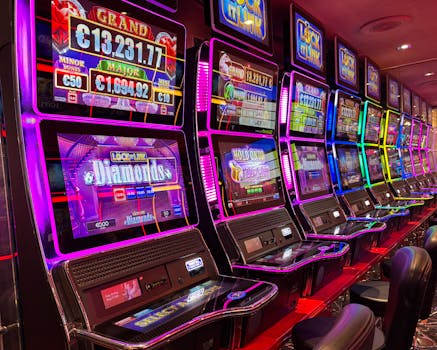
The digital revolution also enabled themed slots, such as Wheel of Fortune and licensed pop culture machines, transforming slots into immersive entertainment experiences. By 2000, video slots made up nearly 90% of all slot machines in U.S. casinos, according to the American Gaming Association.
Online Slot Machines: A New Era of Accessibility
The rise of the internet in the late 1990s and 2000s brought slot machines into the digital realm. Online casinos began offering virtual slots with advanced graphics, sound effects, and mobile compatibility. Online slots now feature:
- Hundreds of themes, from mythology to Hollywood blockbusters - Flexible betting options, catering to both high rollers and casual players - Global progressive jackpotsAccording to H2 Gambling Capital, online slots accounted for 67% of online casino revenue in 2022, illustrating their dominance in the digital gambling market. The top online slot payouts now frequently exceed $10 million, rivaling the jackpots of land-based casinos.
Mobile gaming has further expanded the reach of slots. In 2023, the mobile gambling market was valued at $80.5 billion globally, with slot apps among the most downloaded casino games.
Comparing Slot Machine Generations: Features and Gameplay
The evolution of slot machines is marked by dramatic changes in technology, player experience, and business impact. The following table highlights the key differences between major slot machine generations.
| Generation | Time Period | Technology | Key Features | Typical RTP (Return to Player) |
|---|---|---|---|---|
| Mechanical | 1890s-1960s | Levers, gears, springs | 3 reels, 1 payline, physical symbols, lever pull | 80-85% |
| Electromechanical | 1960s-1980s | Electrical components | Automatic payouts, flashing lights, multi-coin bets | 85-90% |
| Video/Digital | 1980s-2000s | Microprocessors, video screens | Multiple paylines, bonus games, progressive jackpots | 90-95% |
| Online/Mobile | 2000s-present | Internet, mobile apps | Thousands of themes, global jackpots, social features | 94-98% |
As the table shows, both the technological sophistication and the player’s odds have steadily improved, with modern slots offering higher RTPs and a more engaging experience.
The Psychology and Popularity of Modern Slot Machines
Why have slot machines become the cornerstone of casino gaming? Much of their appeal lies in their design and the psychological triggers they exploit. Modern slots use visual and audio cues—bright lights, celebratory sounds, near-miss outcomes—to keep players engaged. Features like free spins and bonus rounds provide intermittent rewards, leveraging what psychologists call "variable ratio reinforcement." This is the same mechanism that makes smartphone notifications and social media so addictive.
Slot machines are also highly accessible. Unlike table games, they require no skill or strategy, appealing to both seasoned gamblers and newcomers. The low minimum bets and the allure of massive jackpots make them irresistible.
According to the University of Nevada, Las Vegas Center for Gaming Research, in 2022, slot machines generated over $35 billion in revenue for U.S. casinos—more than all other casino games combined. In Australia, where slot machines are known as "pokies," over 200,000 machines generated AUD 12 billion in annual revenue, highlighting their global appeal.
Responsible Gaming: Addressing the Challenges of Slot Evolution
With greater accessibility and engagement, concerns about problem gambling have intensified. The immersive nature of modern and online slots, combined with their rapid play pace, can contribute to addictive behaviors. Studies by The National Council on Problem Gambling show that slot players have one of the fastest rates of addiction onset among all forms of gambling.
In response, regulators and casinos have implemented new safeguards:
- Mandatory display of odds and RTPs - Self-exclusion programs and time-out features - Limits on maximum bets and session durations - Enhanced player tracking and data analyticsIn the European Union, new regulations mandate “reality checks,” pop-up messages reminding online slot players of time and money spent. These efforts aim to balance the entertainment value of slots with the need for responsible gaming.
Future Trends: What’s Next for Slot Machines?
The evolution of slot machines is far from over. Developers are now experimenting with technologies like augmented reality (AR) and virtual reality (VR), aiming to create even more immersive gaming environments. Skill-based slots, which blend elements of traditional slots with video game mechanics, are being introduced to attract younger gamblers.
Blockchain technology and cryptocurrencies are also making their way into online slots, offering increased transparency and security for players. According to a 2023 report by Statista, the global blockchain gambling market is expected to reach $153 billion by 2030, with slots predicted to be a major driver.
Casinos are also leveraging artificial intelligence to personalize slot recommendations, bonus offers, and game content, further enhancing player engagement.
Revisiting the Slot Machine Journey: From Simple Reels to Digital Wonders
The story of slot machines is a testament to innovation, adaptation, and enduring appeal. From Charles Fey’s Liberty Bell to today’s online and mobile extravaganzas, slots have continually reinvented themselves to meet player preferences and technological possibilities. As they continue to evolve—fueled by advances in software, psychology, and data analytics—slot machines remain a fascinating window into the future of casino entertainment.